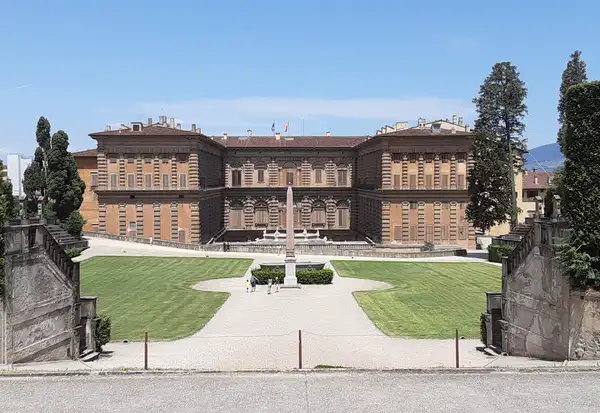


Florence is celebrated for its Renaissance masterpieces, magnificent churches, and world-famous museums, but beyond its historic streets lies another side of the city that many visitors overlook: its spectacular gardens. From grand Medici estates to peaceful rose gardens with breathtaking views, Florence offers countless green spaces where art, history, and nature come together.
Whether you’re looking for panoramic viewpoints, a quiet escape from the crowds, or beautifully landscaped Renaissance parks, these are the gardens you shouldn’t miss during your visit.
Boboli Gardens: Florence’s Renaissance Masterpiece
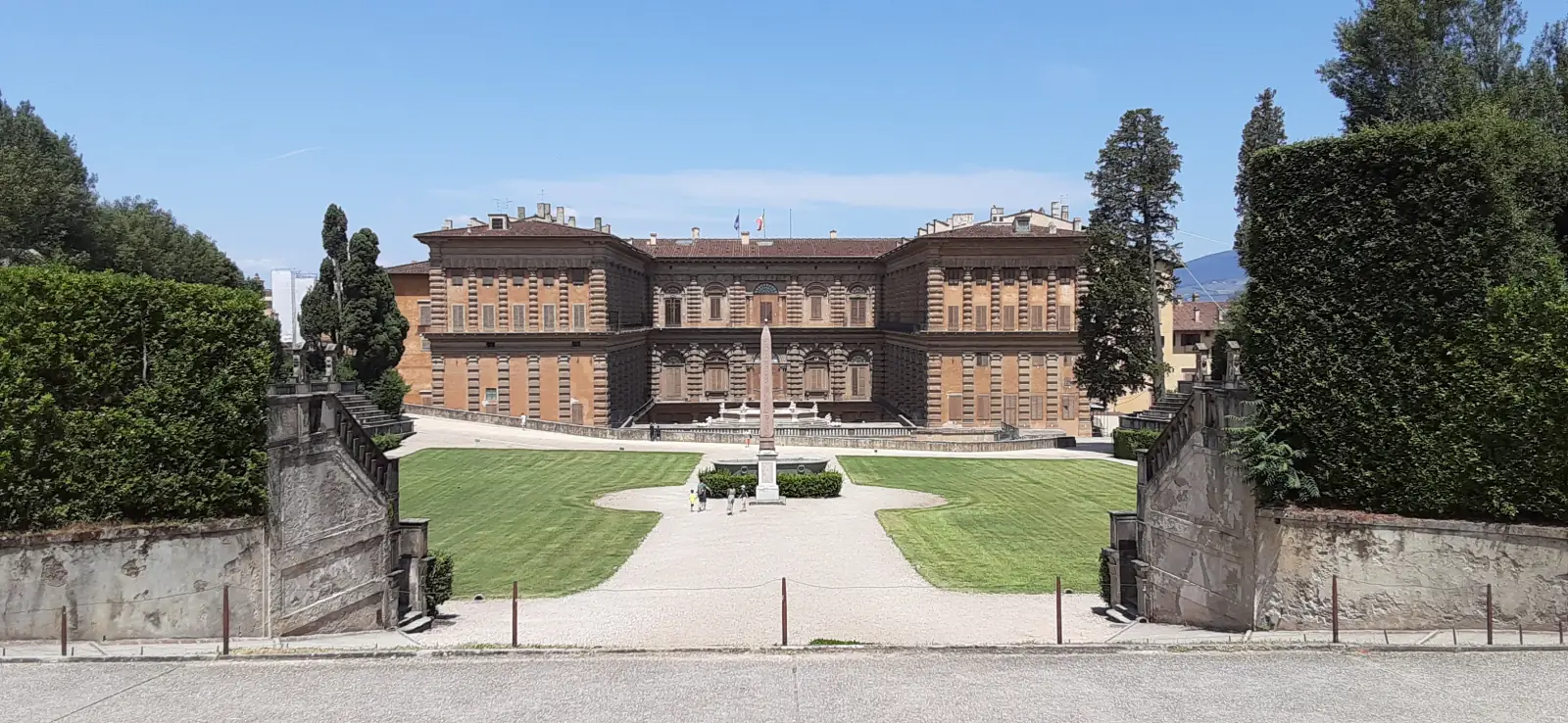
No garden in Florence is more famous than the Boboli Gardens. Created in the 16th century behind the magnificent Pitti Palace, the gardens became the model for formal Italian landscape design and later inspired many of Europe’s royal parks.
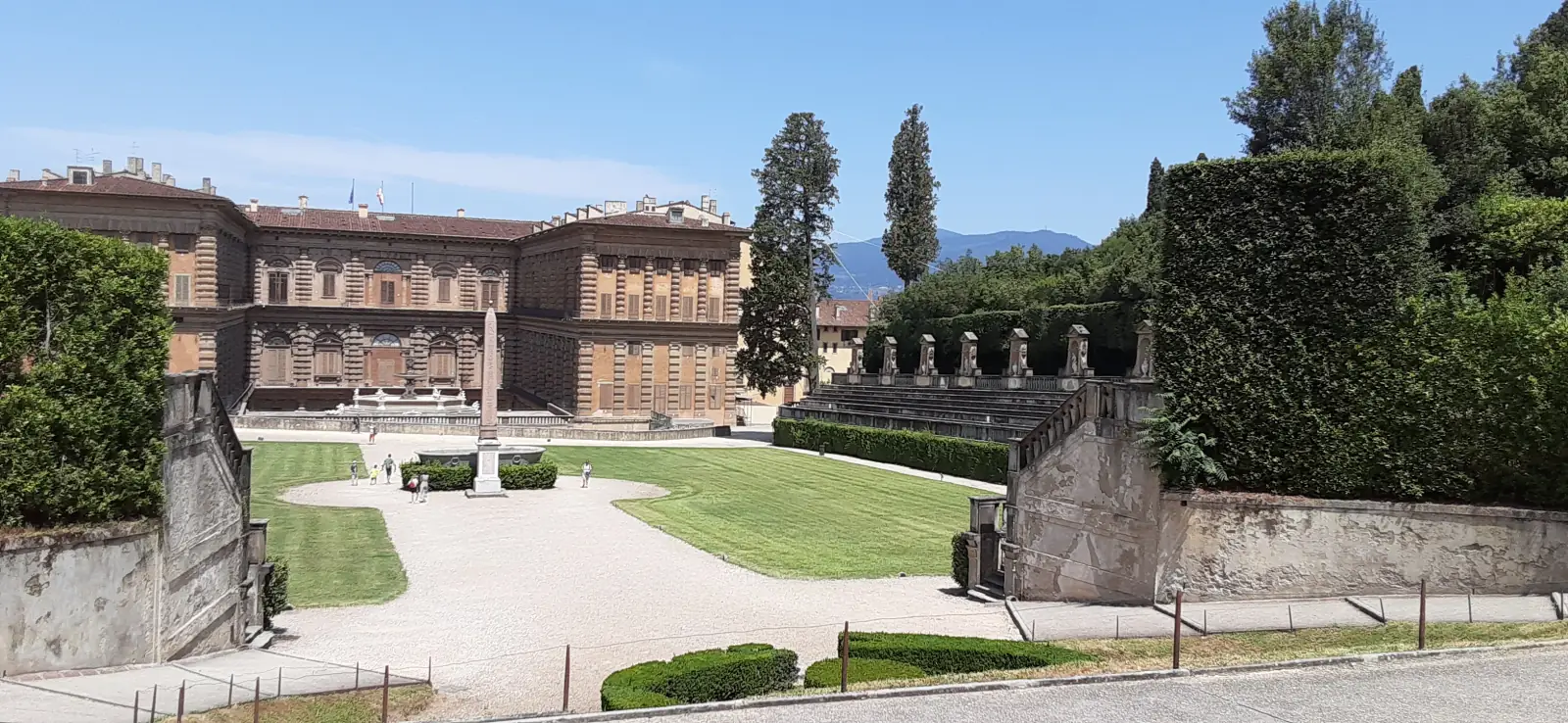
Walking through Boboli feels like exploring an open-air museum. Elegant fountains, centuries-old oak trees, classical statues, hidden grottoes, and tree-lined avenues unfold across more than 11 acres (45 hectares). Every path reveals another sculpture, terrace, or spectacular view over Florence’s rooftops.
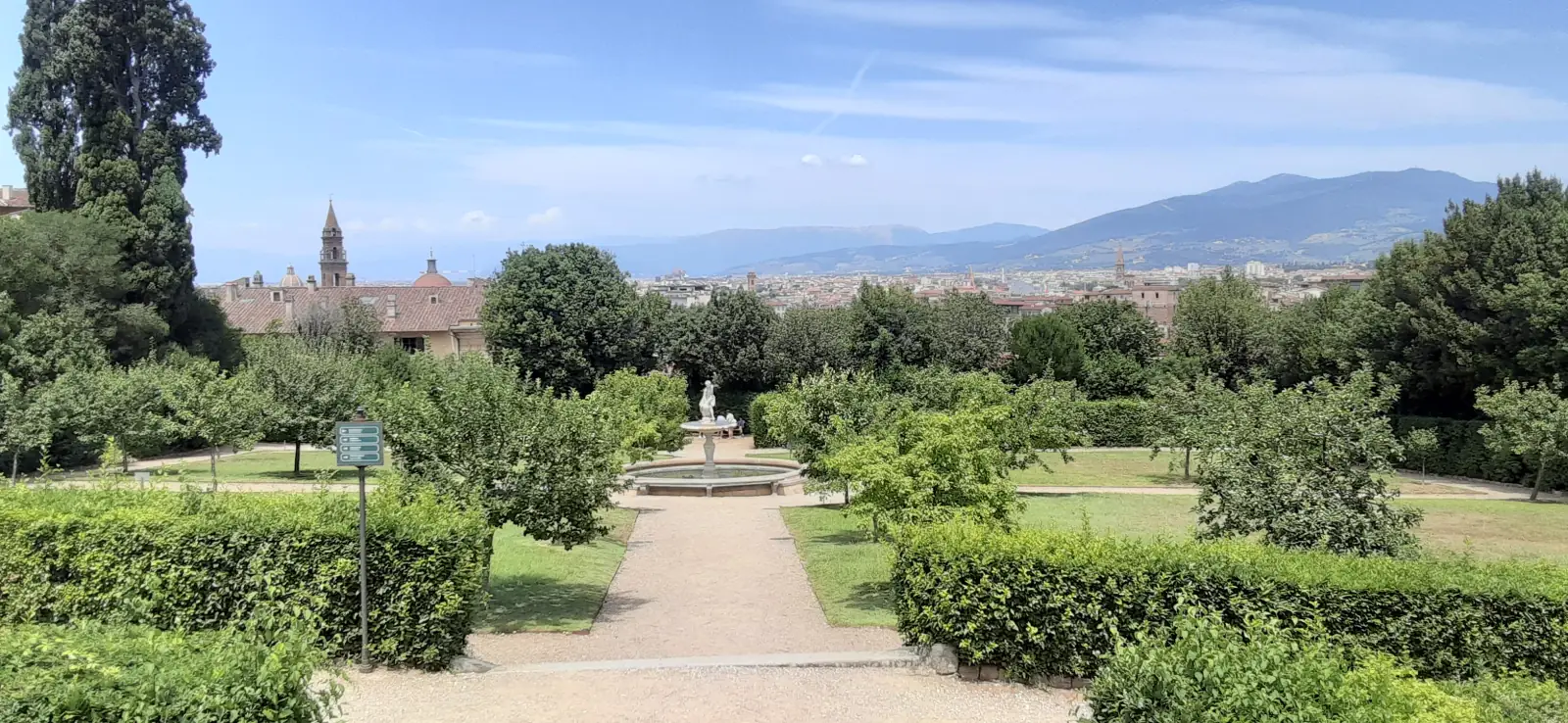
Don’t miss highlights such as the Neptune Fountain, the Isolotto, the monumental Amphitheater, and the panoramic terraces overlooking the city.
Travel tip: Plan at least two to three hours for your visit. Boboli’s hilly terrain involves plenty of walking, so comfortable shoes and a bottle of water are essential, especially during the summer months.
Bardini Garden: One of Florence’s Best Panoramic Views
Just a short walk from Boboli lies one of Florence’s best-kept secrets: the Bardini Garden.
Smaller and often much quieter than Boboli, Bardini combines formal Italian gardens with woodland paths, ornamental staircases, fountains, and one of the city’s most beautiful viewpoints. In spring, its famous wisteria tunnel bursts into bloom, creating one of Florence’s most photographed scenes.
From the upper terraces, visitors enjoy sweeping views of Brunelleschi’s dome, Palazzo Vecchio, and the rolling Tuscan hills beyond.
Travel tip: Many travelers combine Boboli and Bardini in a single afternoon. A combination ticket is often available, making it an excellent value for anyone interested in Florence’s historic gardens.
Rose Garden: A Peaceful Escape Below Piazzale Michelangelo
If you’re looking for a quieter stop away from Florence’s busiest attractions, the Rose Garden (Giardino delle Rose) is a wonderful choice.
Located on the hillside below Piazzale Michelangelo, this charming public garden features hundreds of rose varieties, olive trees, sculptures by Belgian artist Jean-Michel Folon, and peaceful lawns overlooking the historic center.
Late spring is the best time to visit, when thousands of roses are in full bloom, although the panoramic setting makes the garden enjoyable throughout the year.
Travel tip: Visit early in the morning or around sunset for beautiful light and fewer visitors. Pair your visit with nearby Piazzale Michelangelo for one of Florence’s most iconic views.
Iris Garden: A Seasonal Hidden Gem
Just beside Piazzale Michelangelo is another unique green space that many visitors never discover: the Iris Garden (Giardino dell’Iris).
Dedicated entirely to Florence’s symbolic flower, the iris, this botanical garden opens only for a few weeks each year, typically from late April through May, when thousands of colorful blooms reach their peak.
The collection includes rare iris varieties from around the world, all set against magnificent views of Florence.
Travel tip: Check opening dates before your trip, as the garden is only accessible during its annual flowering season.
Tips for Visiting Florence’s Gardens
- Spring (April to June) is the best season, when flowers are in bloom and temperatures are comfortable.
- Early morning and late afternoon offer cooler temperatures, softer light for photography, and fewer crowds.
- Wear comfortable walking shoes, as many gardens feature gravel paths, staircases, and steep slopes.
- Bring water and sun protection during the warmer months, particularly if you’re visiting Boboli Gardens.
- Many of Florence’s gardens are within walking distance of one another, making it easy to combine several visits in a single day.
A Different Way to Experience Florence
While Florence’s museums and churches deservedly attract millions of visitors each year, its gardens reveal another side of the Renaissance city. They offer space to slow down, admire remarkable landscape design, enjoy spectacular views, and appreciate how nature and art have always been intertwined in Florentine culture.
Whether you’re strolling beneath centuries-old cypress trees in Boboli, photographing the wisteria tunnel at Bardini, or watching the sunset from the Rose Garden, Florence’s green spaces provide some of the city’s most memorable experiences — and a welcome pause between visits to its world-famous monuments.
To explore the most famous of them with an expert, join our Pitti Palace and Boboli Gardens private tour, or combine gardens and galleries on the Uffizi, Pitti Palace & Boboli Gardens tour.